



New research points way toward vibrant, nature-rich neighbourhoods
New research points way toward vibrant, nature-rich neighbourhoods Dublin, 11 May 2026: Better alignment between government policies and...
 Eco Park in Clay Farm, a development by Park Developments Credits: Park Developments
About the author

New research points way toward vibrant, nature-rich neighbourhoods
Dublin, 11 May 2026: Better alignment between government policies and agencies, a biodiversity mapping strategy and investment in biodiversity skills are all needed to protect and enhance biodiversity in new residential development, according to research published today by the Irish Green Building Council and Trinity College Dublin, and supported by The Housing Agency.
The report ‘BIO-NEIGHBOUR: Towards greener, more diverse neighbourhoods’ includes 18 recommendations for the enhancement of biodiversity in new residential developments. Some recommendations echo those made last month by the Independent Advisory Committee on Nature Restoration – including the need for clear guidelines on biodiversity in new development, more detailed mapping, upskilling, and better communication between state bodies.
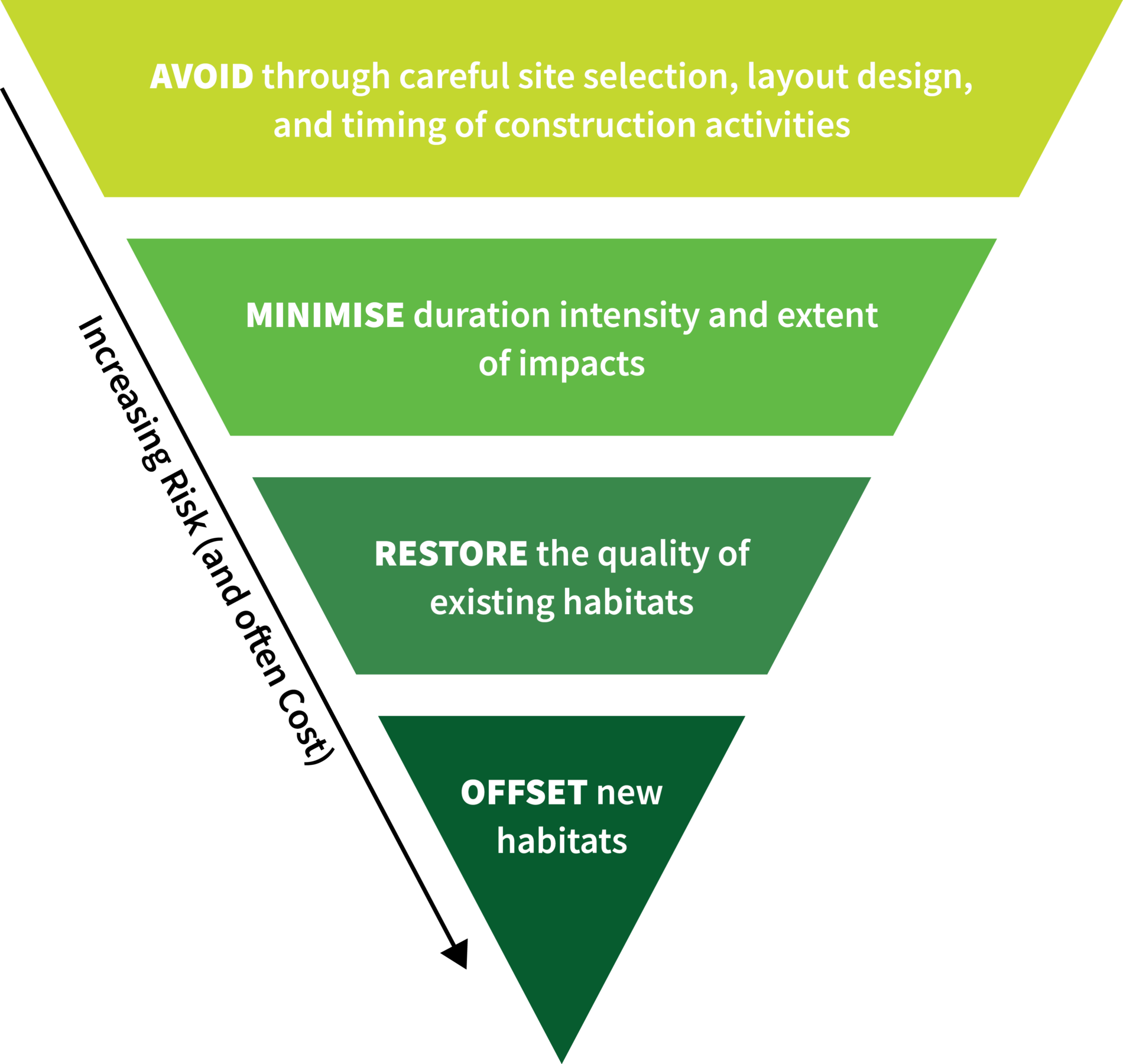
One of the report’s core recommendations is to implement a national strategy on biodiversity and development centred on the mitigation hierarchy – Avoid, Minimise, Restore, Offset – to minimise negative impacts on nature.
Ireland’s new housing plan, “Delivering Homes, Building Communities 2025- 2030” aims to deliver 300,000 homes by 2030. Achieving this alongside Ireland’s obligations to protect and restore biodiversity is a big challenge. But the BIO-NEIGHBOUR project concluded that integration of biodiversity measures into new development, and the creation of a clearer policy and regulatory framework, would not only benefit nature but also reduce planning risks, streamline housing delivery and create vibrant, climate-resilient neighbourhoods with cleaner air and improved health and wellbeing.
Commenting on the launch of the recommendations, Marion Jammet, Director of Policy and Advocacy at the Irish Green Building Council, said:
“By implementing these recommendations, we can not only protect and enhance biodiversity in new residential development, The EU’s Nature Restoration Regulation will require us to restore urban ecosystems. This represents a huge opportunity to create vibrant, more liveable and nature-rich urban spaces.”
While policies such as the EU Habitats Directive, the Nature Restoration Regulation and the National Planning Framework require the protection and restoration of nature, this is not yet happening at scale new residential development. The BIO-NEIGHBOUR recommendations aim to address key challenges identified during the research, including the lack of binding national policies for integrating biodiversity in residential development, fragmented policies and practices across state bodies and local authorities, and lack of biodiversity skills and awareness in the construction sector. More than 100 organisations from the private and public sectors, and academia, were consulted as part of the research, and an extensive literature review was carried out.
Dr. Marcus Collier, Associate Professor at the Trinity College Centre for the Environment, commented:
“The BIO-NEIGHBOUR recommendations point the way forward for creating vibrant, biodiverse new residential developments in Ireland. As part of our research, we also created a new concept of ‘nature-led residential developments’. This means that the overall ecological impact of a project, including land use, construction, supply chains, and occupation, results in a demonstrable enhancement of biodiversity and supports long-term ecological resilience
News
More news from IGBC
-

Faster decarbonisation of buildings will increase resilience to energy price shocks
Progress has been made on policies to decarbonise our built environment in recent years but the government must... -

Roadstone – Becoming the First Company in Ireland to Achieve Level 5 on the CO2 Performance Ladder
Introduction Roadstone Ltd, one of Ireland’s leading supplier of construction materials, has become the first company in Ireland... -

New research points way toward vibrant, nature-rich neighbourhoods
New research points way toward vibrant, nature-rich neighbourhoods Dublin, 11 May 2026: Better alignment between government policies and... -

Building for Biodiversity: IGBC and Local Authorities Join Forces
Local authorities, environmental experts, and construction professionals convened on the 14th April in Portlaoise for a landmark workshop... -

Wrapping Up Ireland’s CO2 Performance Ladder Pilot Project – A Major Milestone in Green Public Procurement
Ireland’s two-year pilot of the CO2 Performance Ladder (2023-2025), led by the Irish Green Building Council (IGBC) in... -

South East Energy Agency is Hiring
At South East Energy Agency, we’re expanding, and we’re looking for talented people to join us. Current opportunities:...